Speaking Two Languages
Whenever someone asks what I do for a living, I usually smile and say, “I translate IT into English.” It’s the shortest answer I know.
I don’t write code. I don’t build servers. I don’t troubleshoot networks. My job is to take complicated technology, explain why it matters, and help people navigate change. Whether it’s a new system, new process, or a new way of working, I’ve spent much of my career helping people make sense of things that can feel unfamiliar.
Long before I worked in IT, I was a journalist. My job then was to listen, observe, and turn people’s experiences into stories. Looking back, I suppose I’ve always been a translator.
What I didn’t expect was that one day I’d find myself learning an entirely different language: the language of a cattle ranch.
Seven years ago, I spent a lot of time asking what I jokingly called my “dumb city girl” questions. Why do we rotate pastures? Why are we checking the cows again? Why does everyone keep watching the radar when the sky is blue?
Looking back, I probably sounded like a five-year-old. But no one ever made me feel foolish for asking. They answered my questions, and little by little, curiosity became confidence.
I still ask “why.” It’s part of who I am. Journalists ask why. Change managers ask why. Ranchers probably do, too.
But somewhere along the way, I realized another question had become just as important.
What? What’s making this feel hard? What am I missing? What haven’t I noticed yet?
Those questions have followed me everywhere. Into conference rooms. Into cattle lots. Into conversations with coworkers. Into quiet evenings walking the pastures with Tom.
They don’t just help me understand the work. They help me understand the people, and sometimes the cattle, doing it.
From the outside, my life probably looks like two completely different worlds. The funny thing is, those worlds seem to collide most often when I’m away from both of them; typically when I am on a work trip.
After a full day of workshops, presentations, and meetings, everyone eventually settles into dinner. The conversation shifts from work to life outside the office, and almost without fail, someone will mention that I live on a cattle ranch.
Everyone at the table is usually surprised.
Not because I know anything about cattle. Quite the opposite, I’m still learning every day. They are most surprised because the ranch isn’t a weekend escape from work. It’s another kind of work.
Organizational change management demands long days, careful planning, patience, and more than a little resilience. So does a cattle ranch. And, neither one cares much about the hours you had planned to work.
My colleagues have seen me put in the hours all week, and I think they’re genuinely curious why I’d choose to spend my weekends working just as hard.
The answer is simple.
I don’t see them as competing demands. They’re both investments in something I care deeply about. And honestly, to me, it all feels like one life.
On Monday morning, I’m in front of a computer. My Outlook calendar is busting at the seams. Microsoft Teams notifications light up my screen before I’ve even poured my first cup of coffee. My days are filled with project meetings, communications plans, adoption strategies, and conversations about helping thousands of employees embrace change.
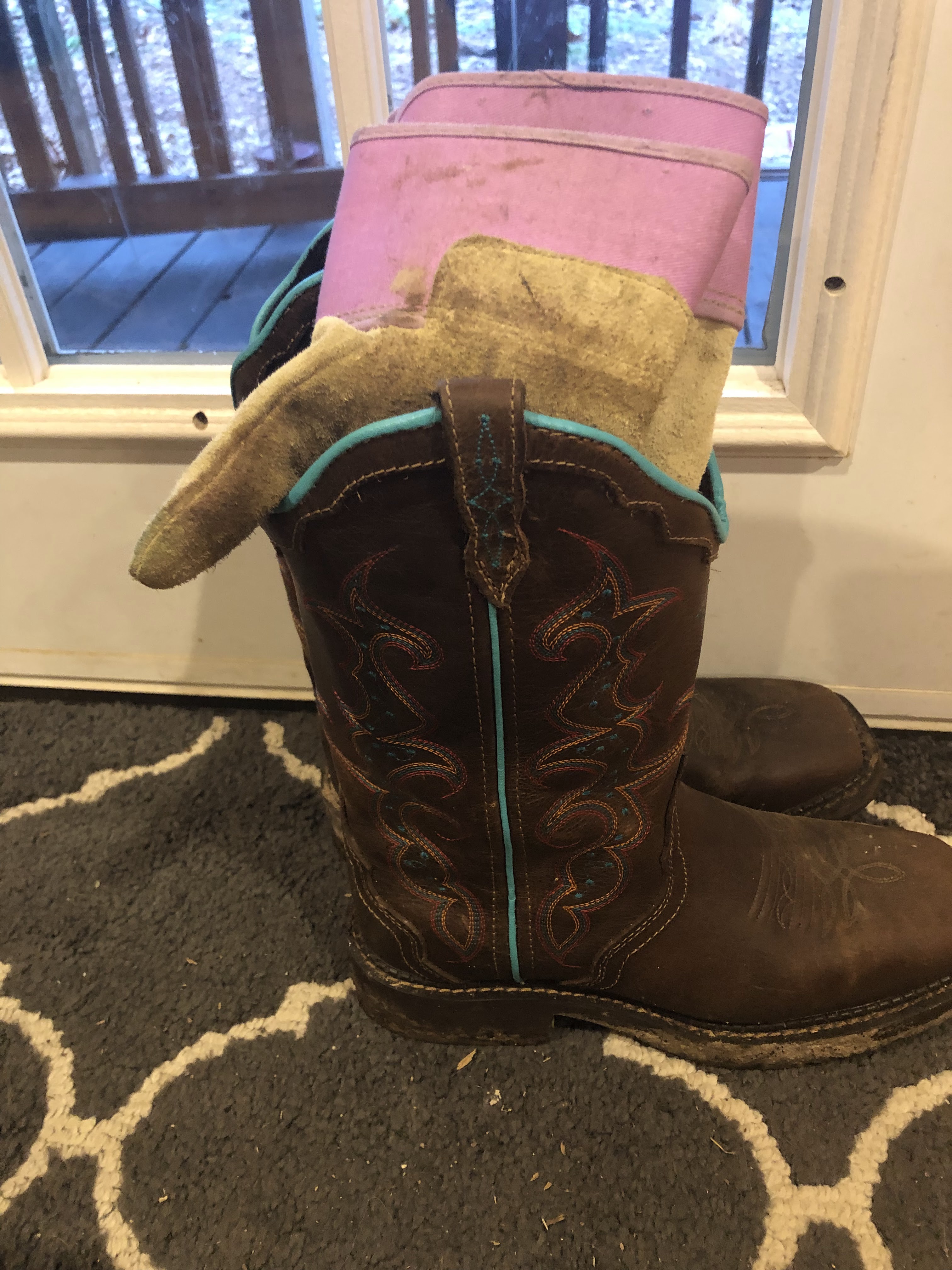
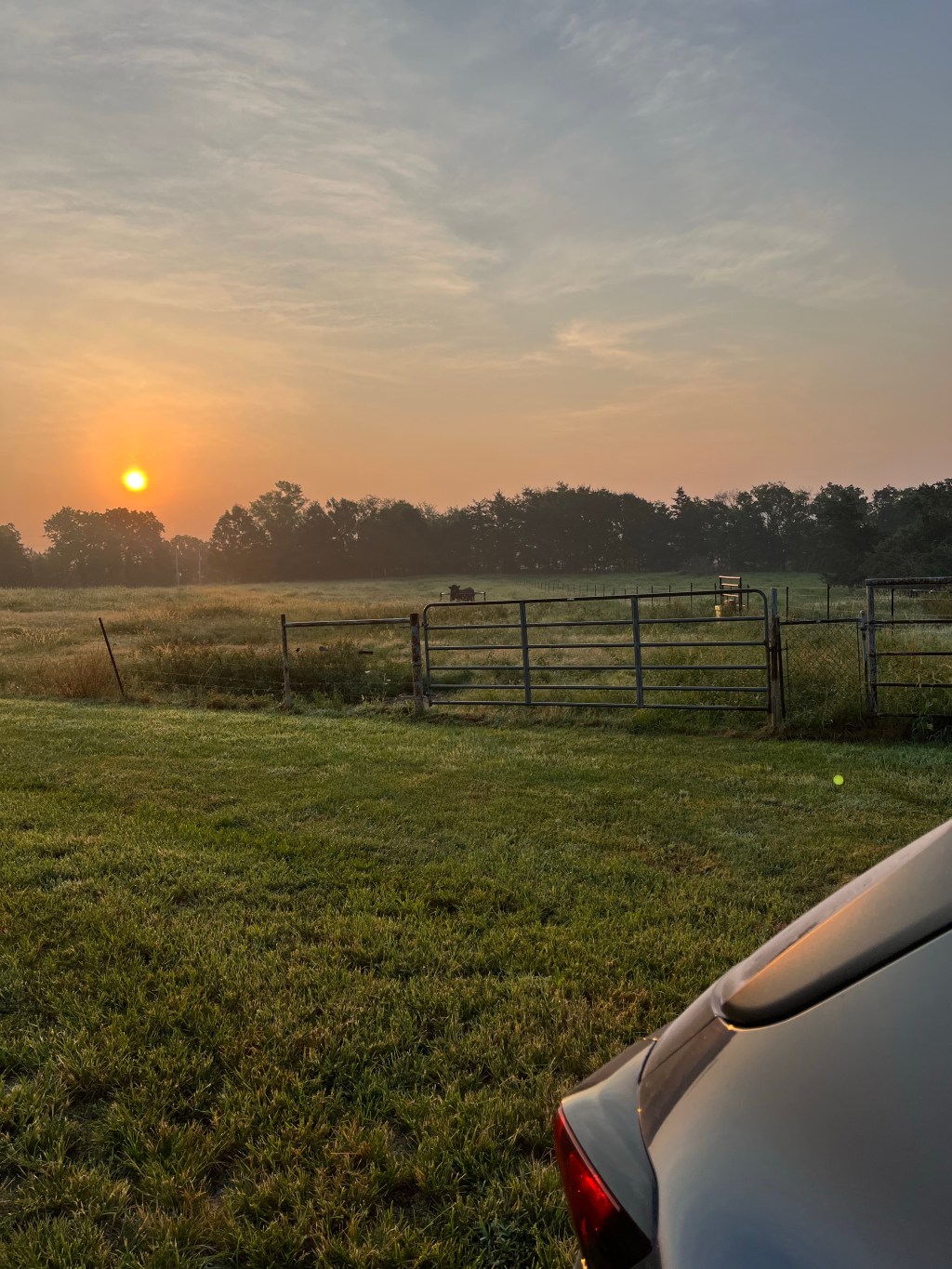
By Saturday morning, the laptop is closed. I’m pulling on worn jeans and work books. Instead of dashboards and deadlines, I’m watching the sky, wondering the forecast is right, while helping Tom feed, check fences, or sort calves.
By Monday again, I’ll have traded my boots back for a blazer.
One world runs on calendars, milestones, and fiscal quarters. The other runs on seasons, weather, and the simple reality that cattle don’t care what’s on my schedule.
For a long time, I thought there were two different versions of me. The professional. The rancher. The woman in a blazer. The woman in muddy boots. But here recently, I realized they aren’t competing identities. They’re the same woman learning the same lessons from two very different classrooms.
Over the years, I’ve realized that “why” isn’t always the most helpful question. Years of helping people navigate change have taught me to ask something different: What’s making this feel hard?
Most of the time, the answer isn’t stubbornness. It’s uncertainty. It’s the discomfort of leaving behind something familiar before the new way feels comfortable.
Somewhere along the way, I realized I was asking that same question while standing in a pasture.
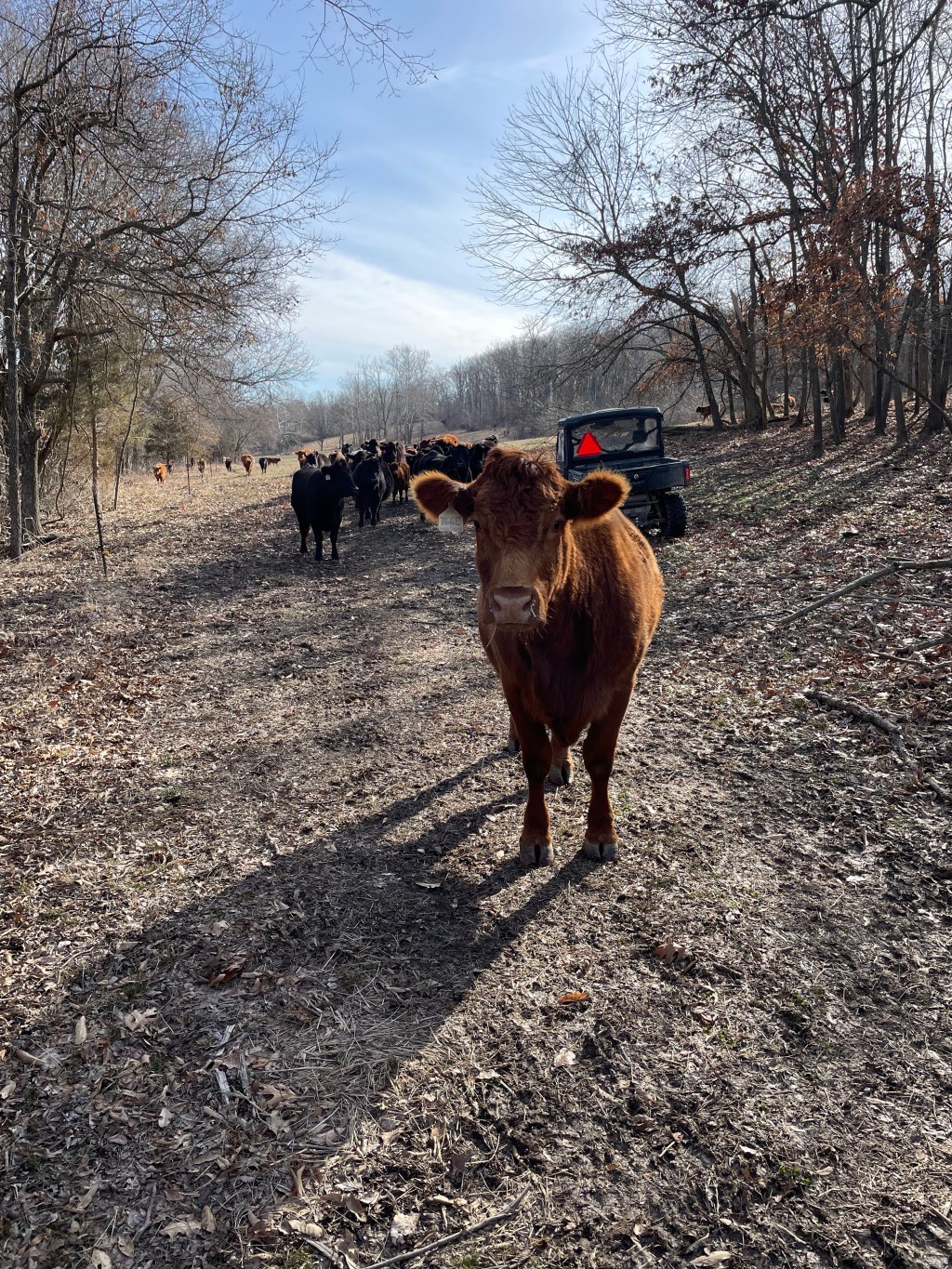
Move a gate. Change a routine. Ask cattle to walk through an unfamiliar opening, and they’ll stop. Not because they’re difficult, but because the known almost always feels safer than the unknown.
Whether I’m sitting in a conference room or standing in a cattle lot, I’ve learned that patience accomplishes far more than force. In both places, trust has to come before movement.
Communication matters in both places, too.
At work, poor communication creates confusion. On the ranch, poor communication while working cattle can create chaos . ..and, if we’re being honest, a few hurt feelings.
Tom has a rule whenever we’re working cattle: Don’t take anything said in the moment personally. When a calf heads for the wrong gate, someone misses their position, or a cow decides she has her own plan, voices get louder. Directions get shorter. Patience gets thinner.
But once the gates are closed and the dust settles, so do we.
I’ve come to realize that most of those sharp words were never about each other. They were about the pressure of the moment.
That’s true in more places than a cattle lot.
Good teams, whether they’re moving cattle or leading projects, learn how to communicate through stressful moments without letting those moments define their relationships.
The tools may be different. The principles aren’t. The ranch has quietly changed the way I approach my work.
It’s taught me to slow down and observe before reacting. To accept that not every problem can be solved immediately. That some things simply take the time they take.
Grass grows on its own schedule. Calves arrive when they’re ready. Rain refuses to follow anyone’s timeline. And sometimes the best thing you can do is stop trying to hurry any of them.
Those are humbling lessons for someone whose workdays revolve around project plans and due dates.
At the same time, my career has shaped the way I see the ranch. I naturally think about planning ahead, documenting what we’ve learned, looking for patterns, and asking how we can do something a little better next season.
It turns out neither world has been pulling me away from the other. They have both been shaping the same values: patience, stewardship, resilience, communication, and a willingness to keep showing up even when the work is hard.
So when someone asks what I do for a living, I’ll probably keep saying that I translate IT into English. It’s still true. But these days, I find myself translating something else, too.
Ranch life for friends who’ve never stepped into a pasture.
Corporate life for people who think it’s all meetings and emails.
And maybe, in some small way, helping both worlds realize they have more in common than they think.
After all, every meaningful change begins the same way — with curiosity, a willingness to learn a new language, and the humility to admit you don’t speak it fluently…yet.
Maybe that’s why the questions from my coworkers always make me smile.
They see two different lives.
I just see one.


Leave a Reply