Our First Year Beekeeping
We have become a statistic. After our first season beekeeping, we have officially lost both hives.
There are a lot of reasons why a hive does not survive its first season, and we had a lot of things working against us in our first season. Sometimes the death of a hive is due to poor management, other times it is due to factors outside of the beekeepers control. In our case, it is a combination of all factors.
My husband and I are fans of true crime shows and documentaries. We like to challenge our minds by figuring out who-dunnit. So, to help us learn from our first-year mistakes, we have performed a hive autopsy to determine the cause of our hives’ deaths.
- Colony Collapse Disorder (CCD): Term given to the sudden die-off of honey bees in colonies. This relatively new phenomenon has devastated honey bee colonies around the world. One day, the bees are gone with no evidence as to why. The causes are not known, but the problem is being vigorously studied.
- Lack of Food: Going into the fall and winter, it is important for a hive to have an ample supply of honey. A hive may die from starvation with no food stores.
- Low Numbers: If a colony is small going into winter, there may not be enough bees to create enough warmth to withstand cold temperatures. They may also not be able to break cluster to move to new honey stores or generate enough heat to allow for movement to new honey stores.
- Verroa Mites: When verrroa levels get high, viruses make the bees feel sick. The sick bees will leave and die aware from the hive, reducing the spread of disease. Eventually the number of bees becomes too small to survive and the remaining bees die.
Beginner’s Mistakes
As we came into late fall, I was worried about Colony 1. Its numbers were low, honey stores were lower, and I was certain it would not survive our first winter event. I had higher hopes for Colony 2. Its numbers were better than Colony 1 and honey stores were OK, but they still did not survive the first winter storm.
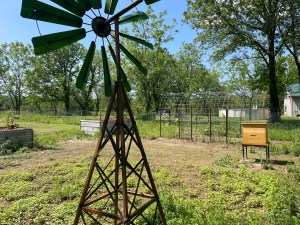
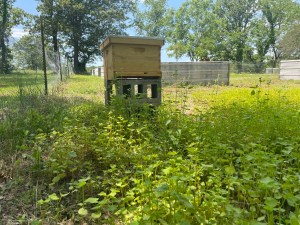
Based on our hive autopsy, it does not appear that we fell victim to CCD or disease. We treated for verroa, set hive beetle traps, and watched for signs of wax moths. It would appear that lack of food and slow colony growth thanks to the drought and not enough awareness on when and what to feed is what killed our two hives.
Looking ahead…
- Feed more and sooner. Thanks to this year’s drought, both of our hives struggled to put away enough food stores. We started feeding the hives heavy syrup, but that was not enough as they weren’t turning it into food stores. We discovered we can order pollen patties and place them directly on the frames to establish emergency protein and nutrition. But, we need to place them sooner. Offering them too late in the fall, when temperatures are too cold to leave a warming cluster means they will ignore the food offering – which they did.
- Understand hive diseases. Though I was aware of the potential diseases and I did treat as outlined in the best beekeeping books. I still have more to learn and prevent. Having confidence on how to recognize, treat, and ultimately prevent pests will only make our future colonies stronger.
We are not ready to give up. We are already looking into buying two nucs for the spring and will start our second season better armed with information and a little bit of experience. In the meantime, for those asking, we still do not have honey on the ranch.

 LAAN Limousin Cattle Ranch
Leave a reply to TheDogGod Cancel reply