Drought is bad for bees too
Honey bee colonies can typically handle extreme heat as long as they have access to uncontaminated water. The more serious problem is a potential lack of pollen sources — especially during times of drought.
How do bees survive the heat?
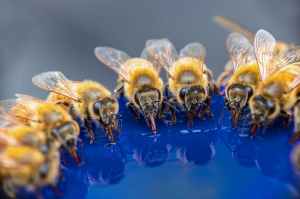
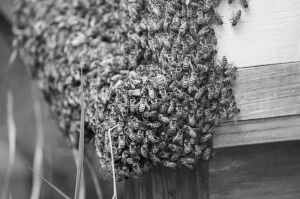
Bees live in a very confined environment with tens of thousands of their brothers and sisters living in a single hive. During the summer, bees cool the hive using water they’ve carried in small drops back to the hive. The water is arranged evenly over the cells so the bees can ventilate the hive using synchronized movement of their wings.
The ventilation allows the water to evaporate and disperse, creating flows of fresher air. Without access to water, it can be difficult for bees to find a way to cool down.
How to help bees during times of drought.
During times of drought, bees flight against the lack of nectar sources in addition to excessive heat and the absence of water. During this period many bees can become undernourished and weakened.
To help, we provide extra water sources near the hives and feed a 1:1 sugar-water nectar to keep them from starving. As a new beekeeper, I have learned that when we see bees in places they don’t normally forage – like our back porch – then it is time to refill the water trough or feeders.
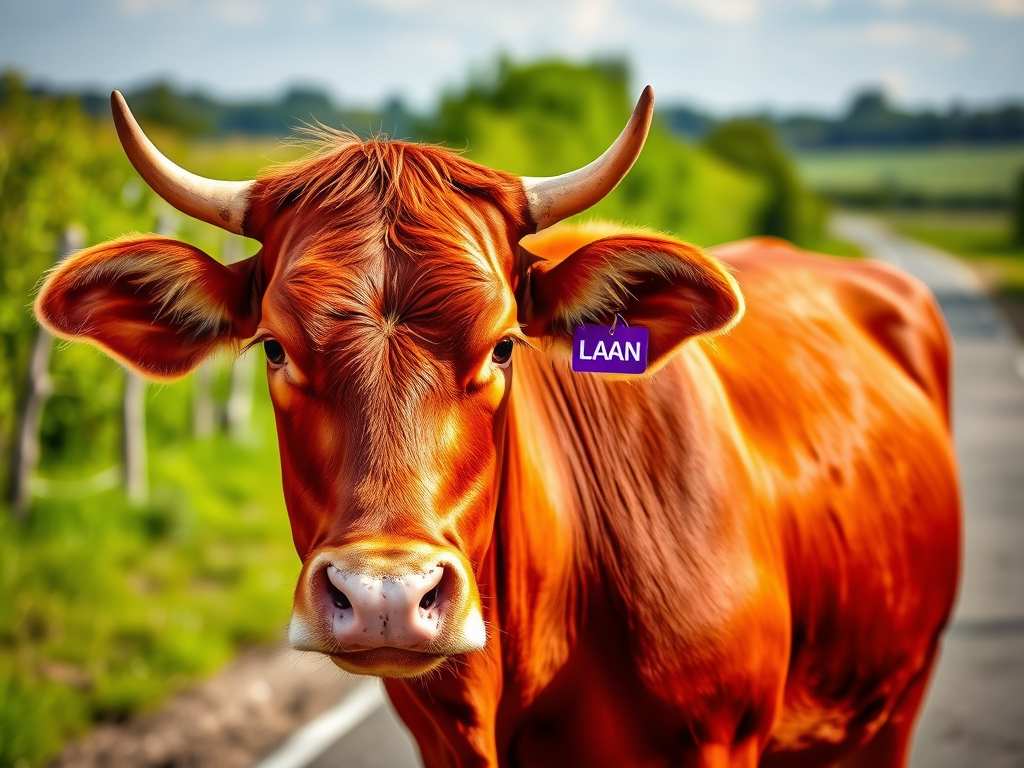
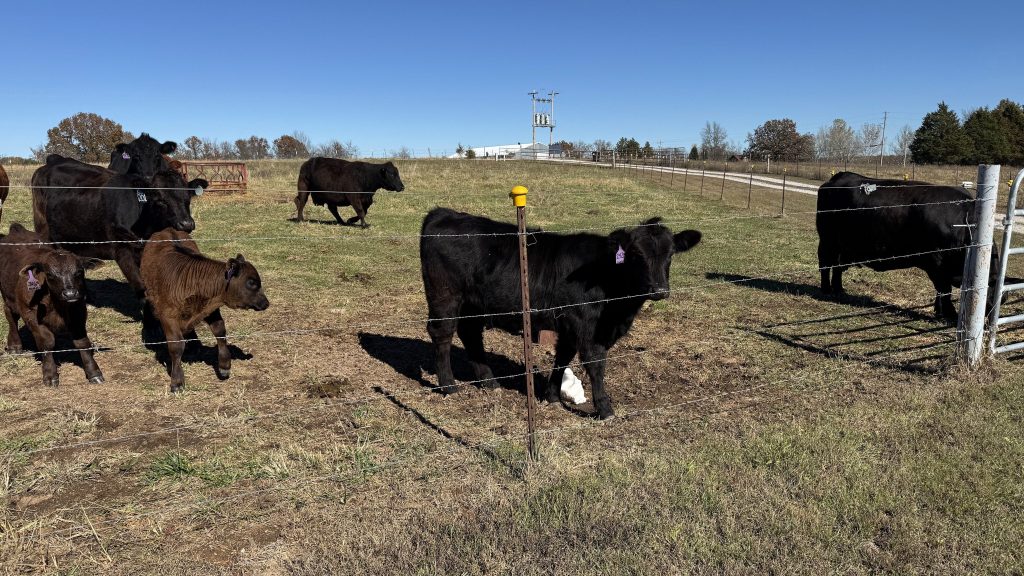
Drought is just as hard on the bees as it is on the cattle at LAAN Limousin Ranch. For the sake of all the ranchers, please continue to pray for rain.



 LAAN Limousin Cattle Ranch
Leave a comment