The Delicate Art of Weaning
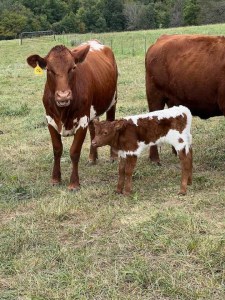
April is an important month at the ranch. Keeper and the other calves are at least 6 months old, and that means it is time for weaning. Limousin calves are weaned between 5 and 8 months of age (or at about 400 to 600 pounds). At this size, they get what they need from grass and feed.
Though it is time, weaning is one of the most stressful periods in the life of a Limousin calf. It creates emotional stress and can lower the calf’s immune defenses, making the animal more susceptible to disease. When it is time to separate calf and dam, it is up to us to ensure we don’t leave a lasting, negative impact on the calves.
Weaning Methods
The typical weaning method is to sort all the calves from the cows, shut the calves up in a barn, move the cows as far away as possible, and then put up with the bawling for a few days. Though abrupt, breaking the dam-young bond is the most important factor in weaning.
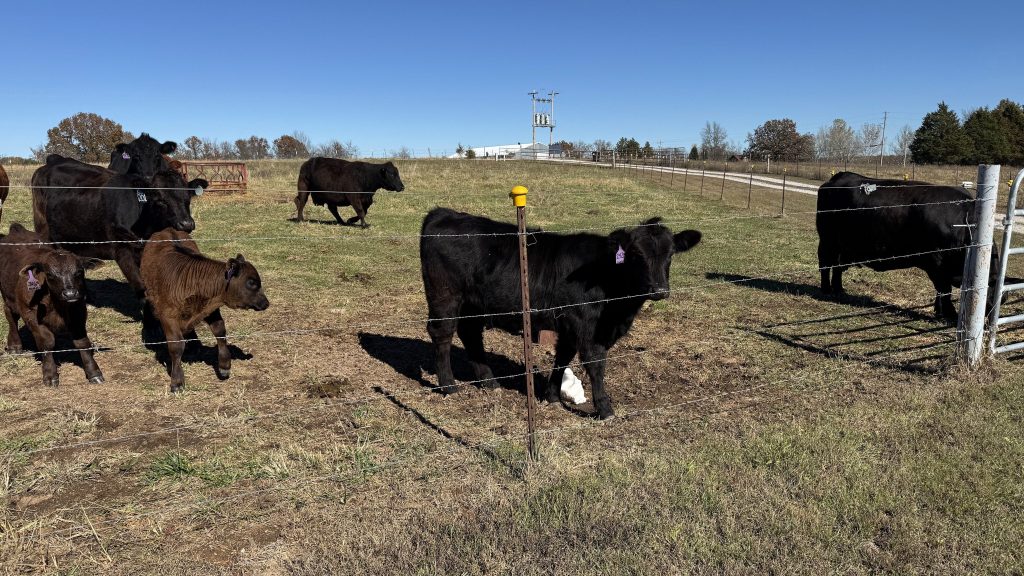
Another method is fence-line weaning, which still requires separating the cows and calves but instead of moving them as a far apart as possible, you separate by a fence. They are allowed to have nose-to-nose contact keeping the calves in a familiar environment while adapting to separation. Fence-line weaning causes less stress on the calf and the cow, but requires more time to break the bond.
A third weaning option is two-stage weaning. The first stage involves placing a nose flap on the calf and allowing it to remain with its dam. The nose flap allows the calf to continue to graze, drink water, and snuggle with its mother – but it prevents the calf from nursing. The second stage occurs approximately 14 days later, when the nose flap is removed and the calf and dam are separated. The two-stage method is generally less stressful than traditional abrupt separation but is more labor intensive because the calves must be handled to apply the nose flap and again when it needs to be removed.
Summary
In the past, we have typically followed the traditional weaning method. Using this method we have experienced the normal morbidity rates (percent of calves born alive died or were lost to any cause). As we grow, I hope to introduce the two-stage weaning option to see if we get the best growth and returns on each generation of LAAN Limousin calves.



 LAAN Limousin Cattle Ranch
Leave a comment